Asad Khaleel
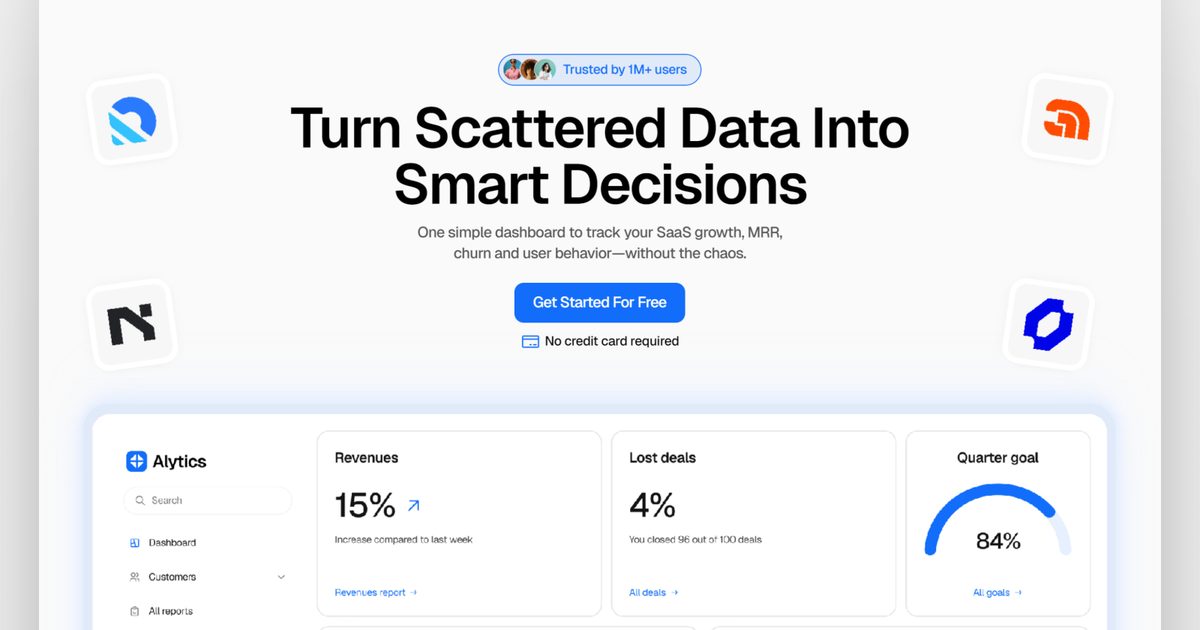
Alytics
FreeAlytics is a sleek and modern Framer template designed for SaaS companies, startups, and dashboard-driven platforms looking to build…
Read the fit noteSearching…
Templates by niche
Five free SaaS templates, compared on the parts that decide whether a launch page converts: product proof, feature structure, pricing, and the waitlist or signup path.
A SaaS landing page is a sequence of arguments: what it is, who it is for, what it looks like, why it is credible, and what happens next. Templates differ mostly in which argument they lead with — dashboard screenshots, an AI workflow diagram, or editorial copy.
All five are free to remix. Pick the one whose argument matches your product, not the one with the most sections.
Our pick for most saas projects is Alytics. The rest are stronger in specific situations, which the fit notes below explain.
| Template | Best for | Price |
|---|---|---|
| Alytics | Analytics, dashboards, and data-heavy products | Free |
| Saasbright | Editorial, light SaaS sites that want to look less like a template | Free |
| Aigent | AI agents, automation tools, and developer products | Free |
| Verity | AI or SaaS products that need a complete launch page | Free |
| Kavi | Early-stage SaaS and AI tools shipping fast | Free |
All five are free to remix on Framer at the time of writing. A template that moves to a paid plan drops out of this page; the catalogue never lists paid templates.
Asad Khaleel
Alytics is a sleek and modern Framer template designed for SaaS companies, startups, and dashboard-driven platforms looking to build…
Read the fit note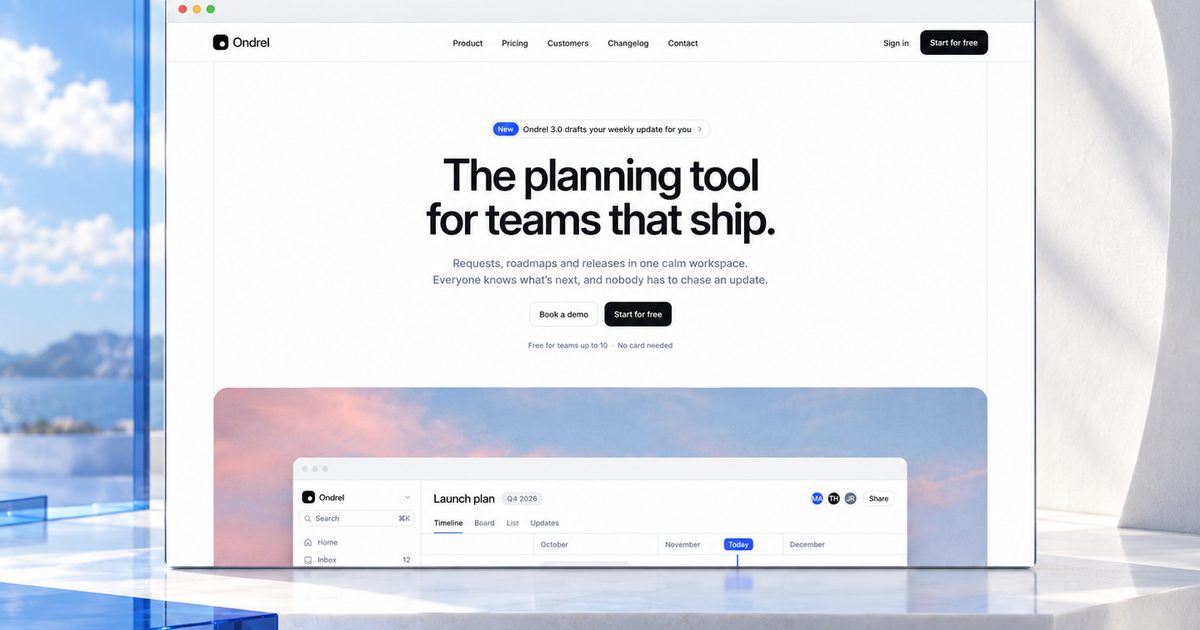
John Nicholson
A light, editorial SaaS site
Read the fit note
Framer Geeks
Aigent is the #1 AI SaaS and workflow automation website template for Framer, built for AI startups, AI agent platforms, automation tools,…
Read the fit note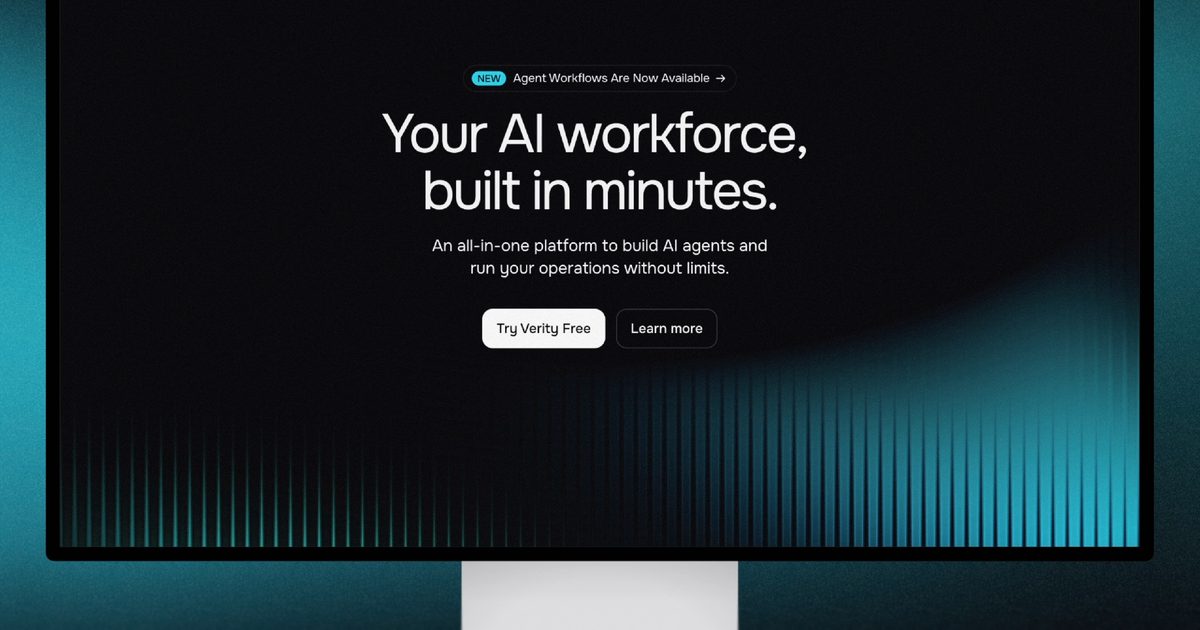
Kadir Calik
Verity is built for AI startup founders, SaaS teams, indie makers, and solo developers who need a landing page that looks polished without…
Read the fit note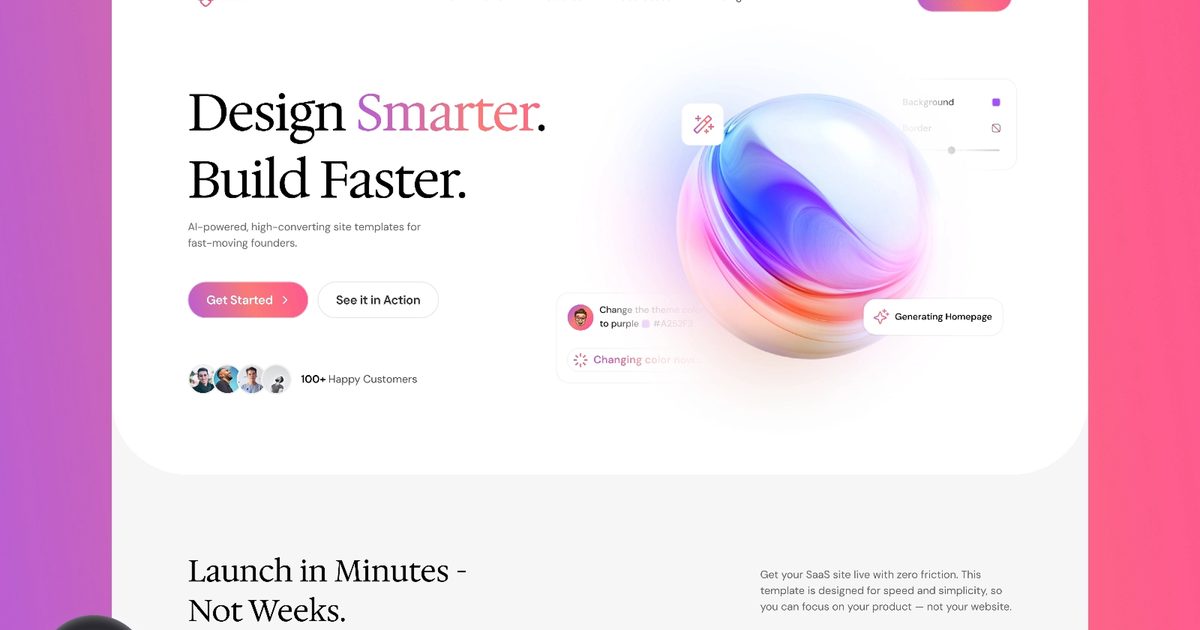
Mejed Alkoutaini
Kavi is a streamlined website template purpose built for modern SaaS products, AI tools, and tech startups.
Read the fit noteBuilt around a dashboard preview rather than a generic feature grid: homepage sections for analytics, reports, and product UI, aimed at analytics tools, fintech, CRM, and internal platforms. The conversion path is clear because the product screenshot is the proof.
Watch out: If your product is not visual — an API, infrastructure, or a service — the dashboard sections have to be replaced with something equally concrete.
A light, editorial SaaS layout. It is the calmest of the five and the easiest to make feel like a company rather than a launch page.
Watch out: The listing carries no feature detail. Check the page count, CMS, and whether pricing is included before you plan around it.
A dark, high-contrast AI SaaS template with animated workflow diagrams and product-grade sections. It is built to make an AI tool look shipped rather than sketched, and it suits agent, copilot, and automation products.
Watch out: The dark AI aesthetic is crowded. If every competitor looks like this, Saasbright or Verity will differentiate more.
A dark cinematic landing page with interactive dashboard screens, use-case tabs, a comparison table, testimonials, a pricing toggle, an integrations ticker, FAQ, and a blog CMS. It covers the whole argument in one page.
Watch out: It is a landing page, not a full site. If you need docs, a changelog, or a multi-page marketing site, plan the extra pages.
A streamlined SaaS template with responsive layouts, polished animations, and editable components. It is deliberately lean, which suits an MVP or a launch that needs to look finished this week.
Watch out: Lean also means fewer ready-made sections. A product with complex pricing or a long feature matrix will need additions.
Yes. All five are free to remix on the Framer marketplace at the time of writing. Paid templates are excluded from this catalogue.
Framer forms can post to email, a webhook, or Google Sheets, which covers a waitlist. A real signup flow usually means linking to your app or embedding a third-party form.
Basic is enough for a single landing page on your own domain. Pro adds more CMS collections, 150 pages, redirects, staging, branching, and the A/B testing add-on.
Disclosure: some links on this page are affiliate links. If you subscribe to Framer after following one, we may earn a commission at no extra cost to you. Commissions never change an item's position in a ranking, and no creator can pay to appear in a comparison.